Why Do We Light Diyas on Diwali? Meaning, Significance & Rules
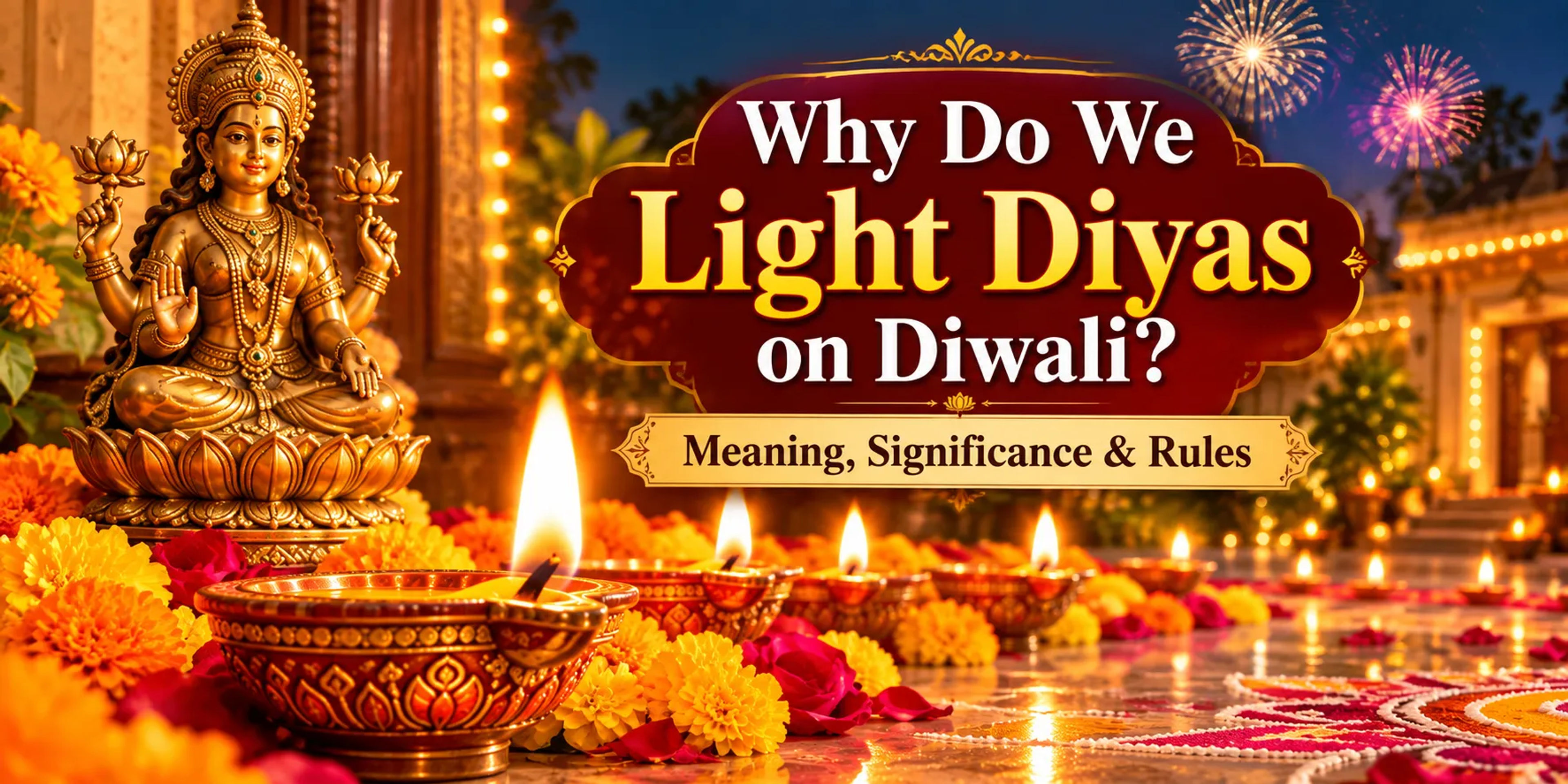
As autumn reaches its peak on the dark moon night (Amavasya) of the Hindu lunar month of Kartik, millions of homes, temples, streets, and riverbanks across India and the globe transform into glowing seas of light. This annual transformation marks Diwali (or Deepavali)—the iconic “Festival of Lights.”
At the heart of this ancient festival is a simple, humble object: the diya (earthen lamp). But why do we light diyas on Diwali? Is it merely decorative, or does this gentle flickering flame carry deeper scriptural, spiritual, and cultural meaning?
In this guide, we explore the origins and symbolism of the diya in Hindu traditions, its connection with Lakshmi Puja, regional customs, scriptural prayers, practical rules on placement, and how many diyas are traditionally lit across the festival days.
Table of contents
What is a Diya & Why is Diwali the Festival of Lights?
The word Diya (or Deeva) originates from the Sanskrit word Deepa (दीप), which translates to “lamp,” “light,” or “that which illuminates.” The word Deepavali itself is a compound Sanskrit term derived from Deepa (lamp) and Avali (row or line). Deepavali literally translates to “a row of lighted lamps.”
The practice of lighting lamps dates back thousands of years in the Indian subcontinent. Archaeological findings from the Indus Valley Civilization reveal early terracotta oil lamps, while the earliest Vedic texts celebrate Agni (the divine fire) as the essential bridge between humanity and the Divine.
Spiritual Symbolism: Light, Knowledge & Agni
In Hindu philosophy, a diya is far more than a physical light source. It carries profound symbolic meanings rooted in the Upanishads and Puranas:
1. Victory of Wisdom Over Ignorance
Light naturally dispels physical darkness without conflict. Spiritually, darkness represents Tamas (ignorance, inertia, and spiritual blindness), while light represents Sattva (knowledge, clarity, and truth). The act of lighting a lamp reflects the timeless Upanishadic prayer:
असतो मा सद्गमय । तमसो मा ज्योतिर्गमय । मृत्योर्मा अमृतं गमय ॥
Asato Mā Sad-Gamaya | Tamaso Mā Jyotir-Gamaya | Mṛtyor-Mā Amṛtaṁ Gamaya
“Lead us from the unreal to the real; lead us from darkness to light; lead us from death to immortality.” — Brihadaranyaka Upanishad (1.3.28)
2. The Flame as the Inner Soul (Atma Jyoti)
The burning flame points steadily upward, regardless of breezes or movement. In Vedantic thought, this upward posture symbolizes the soul’s innate aspiration to rise above material entanglements toward spiritual liberation (Moksha). The physical flame reminds the practitioner of the Atma Jyoti—the eternal, unextinguishable divine spark within every living being.
3. Harmony of the Five Natural Elements
A traditional clay diya represents the cosmic balance of the Pancha Mahabhutas (five great elements):
- Earth (Prithvi): Represented by the baked clay body of the lamp.
- Water (Jala): Represented by the oil or melted ghee inside.
- Fire (Agni): Represented by the glowing flame.
- Air (Vayu): Oxygen sustaining the combustion.
- Ether / Space (Akasha): The surrounding light radiating into space.
4. Traditional Diya Lighting Prayer
When lighting a diya during morning or evening prayers, many families traditionally recite this standard Sanskrit verse:
शुभं करोति कल्याणमारोग्यं धनसंपदा । शत्रुबुद्धिविनाशाय दीपज्योतिर्नमोऽस्तु ते ॥
Śubhaṁ Karoti Kalyāṇam Ārogyaṁ Dhana-Sampadā | Śatru-Buddhi-Vināśāya Dīpa-Jyotir-Namo’stu Te
“I bow to the light of the lamp, which brings auspiciousness, health, and true wealth, and destroys negative thoughts.”
Traditional Narratives Behind Lighting Lamps
India’s diverse cultural landscape hosts several distinct historical and sacred narratives explaining why lamps are illuminated on Diwali night. Rather than a single universal origin, different regions celebrate different divine events:
The Return of Lord Rama to Ayodhya (North & Central India)
In the Ramayana tradition, Diwali commemorates the day Lord Rama, Sita Devi, and Lakshmana returned to their capital city of Ayodhya after 14 years of exile and the defeat of Ravana. To guide their arrival on a dark Amavasya night, the citizens illuminated every home, path, and balcony with rows of earthen oil lamps.
Samudra Manthan & The Emergence of Lakshmi (Pan-Indian)
According to Puranic literature, Goddess Lakshmi emerged from the churning of the cosmic ocean (Samudra Manthan) on Kartik Amavasya, subsequently choosing Lord Vishnu as her eternal consort. Lighting lamps honors her birth and divine arrival.
The Defeat of Narakasura by Sri Krishna & Satyabhama (South India)
In Southern Indian traditions, Naraka Chaturdashi (Choti Diwali) celebrates Lord Krishna and Satyabhama vanquishing the demon Narakasura. Homes are thoroughly cleaned, early morning oil baths (Abhyanga Snan) are taken, and lamps are lit to celebrate the liberation of thousands of captives.
Kali Puja (Eastern India & Bengal)
In West Bengal, Odisha, and Assam, the night of Kartik Amavasya is dedicated to worshipping Goddess Kali in her formidable, protective aspect to destroy ego and ignorance. Rows of lamps are lit to illuminate the path for the Divine Mother.
The Lakshmi Puja Connection
During Diwali, Goddess Lakshmi—the deity of wealth, spiritual abundance, purity, and grace—is worshipped alongside Lord Ganesha (the remover of obstacles) and Lord Kuber (the treasurer of divine wealth).
Traditional beliefs hold that Goddess Lakshmi visits clean, bright, and harmonious homes during Kartik Amavasya. Earthen lamps are traditionally placed along outer thresholds, windows, and main pathways to guide positive energy and divine grace into the household.
If you are preparing for your festival worship, explore our guide on Diwali Puja Mantras: Key Chants for Lakshmi Puja and learn the deeper meaning of the Mahalaxmi Mantra.
How Many Diyas Should You Light on Diwali?
Search engines are filled with rigid lists asserting that you must light an exact number of lamps to gain wealth. From a scriptural standpoint, there is no universal Hindu rule mandating a single fixed number of diyas for every household.
However, long-standing regional customs offer meaningful framework guidelines across the five days of the festival:
| Festival Day | Customary Count | Traditional Purpose & Significance |
|---|---|---|
| Dhanteras (Trayodashi) | 13 Diyas | 13 lamps symbolizing health, well-being, and protection. Includes 1 four-faced lamp lit southward for Yamadeepdaan. |
| Choti Diwali (Chaturdashi) | 14 Diyas | 14 lamps representing the 14 lunar tithis, removing residual negativity before main Lakshmi Puja. |
| Main Diwali (Amavasya) | 21, 51, 108, or more | No upper limit. Families light as many lamps as needed to fully illuminate their living spaces. |
Rather than stressing over exact counts, traditional texts emphasize sincerity, devotion, and lighting as many lamps as your family can safely manage.
Where Should Diyas Be Placed in the Home?
According to traditional home placement customs (Vastu Sadachara), key locations throughout the residence are illuminated on Diwali night:
- The Altar / Puja Room: The main four-faced or larger ghee lamp is kept lit before Goddess Lakshmi and Lord Ganesha throughout the night.
- Main Entrance (Main Gate / Threshold): Diyas placed on both sides of the main door welcome guests and divine blessings.
- Tulsi Vrindavan / Plant: A sacred lamp placed near the Tulsi plant honors Vrinda Devi.
- Kitchen: A lamp near the cooking area or water storage pays respect to nourishment and Annapurna.
- Windows & Balconies: Rows of diyas facing outwards share festive warmth with neighbors and the community.
- Rangoli Patterns: Placing diyas amidst colorful floor rangolis enhances visual harmony and festive cheer.
Clay Diyas, Ghee, and Oils: What Do Traditions Say?
The materials used for lighting lamps carry traditional associations:
- Clay (Earthen) Diyas: Made from natural soil, clay lamps represent humility, connection to the earth, and eco-friendly practice. Old clay diyas can easily be soaked in water, dried, and reused.
- Desi Cow Ghee: Ghee is considered the most sattvic (pure) fuel in Vedic rituals. It is traditionally used for the main lamp inside the home altar.
- Sesame Oil (Til Tel) & Mustard Oil (Sarson Tel): Widely used for outdoor, balcony, and threshold lighting. Sesame oil holds ancient scriptural merit in ritual offerings.
- Cotton Wicks (Rui Batti): Handmade natural cotton wicks provide a steady, clean burn. A single wick signifies focused devotion, while four-faced wicks symbolise radiating light in all four cardinal directions.
Practical Diya Safety Tips
While Diwali lamps bring beauty, practical safety precautions ensure a peaceful celebration:
- ✔ Stable Surfaces: Always place oil lamps on flat, heat-resistant surfaces away from wind drafts.
- ✔ Keep Away From Fabrics: Never place open flames near curtains, window drapes, hanging clothing, or paper decorations.
- ✔ Child & Pet Safety: Keep burning lamps out of reach of curious young children and pets.
- ✔ Use Coasters: Place clay diyas on small ceramic trays, brass plates, or metal coasters to prevent oil stains on marble or wooden floors.
- ✔ Never Leave Unattended: Extinguish outdoor lamps safely if leaving the house or going to sleep.
Common Misconceptions About Lighting Diyas
Misconception 1: “Lighting a specific number guarantees instant financial wealth.”
Correction: Scriptural traditions treat lighting lamps as an act of inner surrender, devotion, and gratitude. Wealth in Hindu thought (Lakshmi) includes wisdom, health, and contentment—not merely material money.
Misconception 2: “Electric LED lights have completely replaced traditional diyas.”
Correction: While modern LED lights add festive exterior decoration, traditional clay diyas filled with oil or ghee remain the core spiritual element of Diwali Puja rituals.
For a broader understanding of daily devotional chanting and sacred timing, explore our guides on What Is Naam Jaap? and Why Are Mantras Chanted 108 Times?.
How Divya Marg Supports Your Devotional Practice
Lighting diyas creates an atmosphere of peace and mental clarity. Once your lamps are lit and your Puja space is prepared, Divya Marg helps you maintain focus during your Diwali Lakshmi Puja and daily mantra chanting:
Diwali Puja Mantras
Access authentic Sanskrit lyrics and meanings for Lakshmi Puja, Ganesha Vandana, and Kuber Mantras.
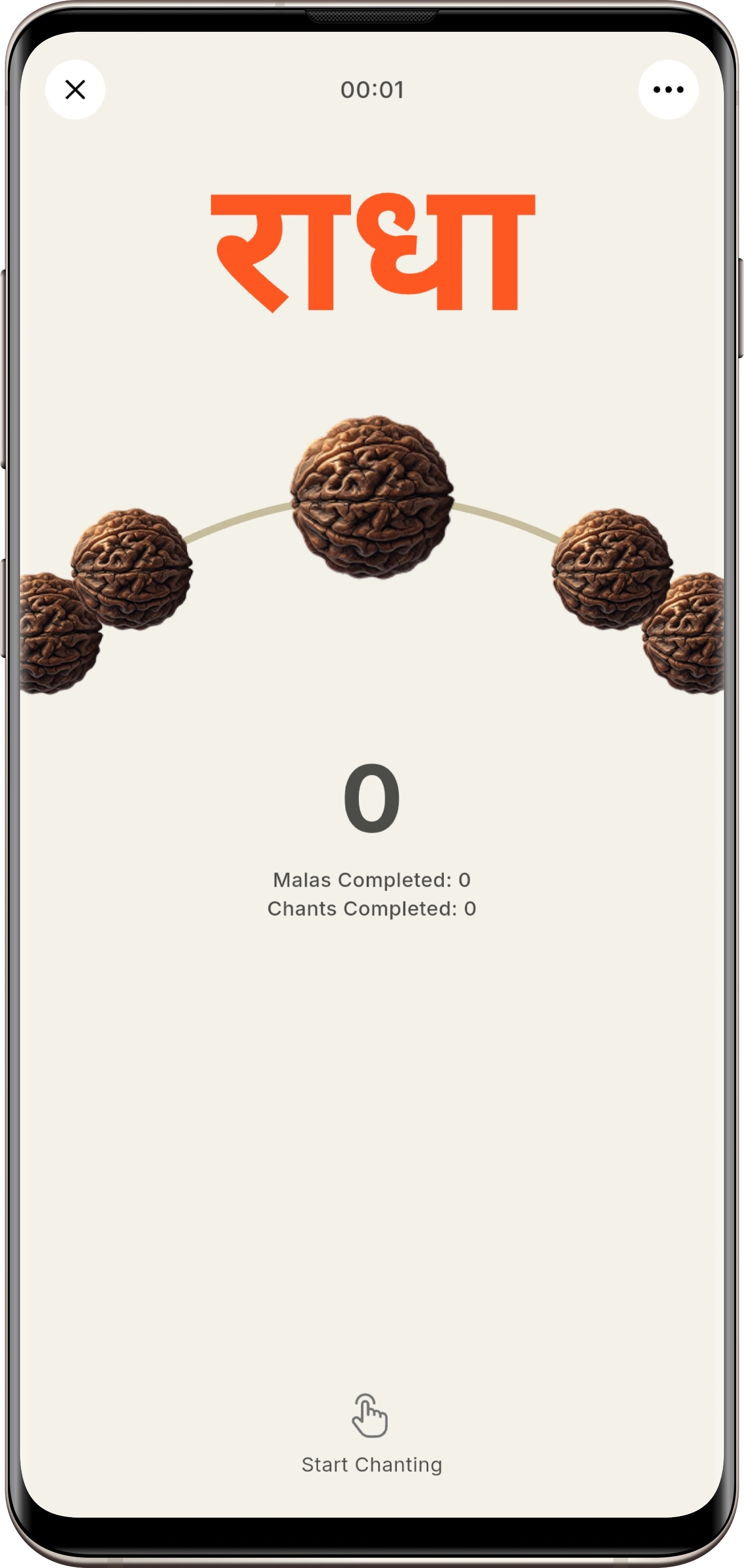
Mantra Repetition Tracker
Maintain focus during your festive chanting sessions without worrying about manual counting.
Haptic Bead Feedback
Feel subtle vibrations on each count so your attention stays immersed in the divine sound.
Fully Offline Access
Perform your daily or festive Jaap anywhere, completely free from ad distractions or internet needs.
Begin your Naam Jaap today
Offline-first and built entirely around one purpose — helping you show up for your practice, every single day.
- Free, always
- Works offline
- No ads

Frequently Asked Questions
Why do we light diyas on Diwali?
Lighting diyas on Diwali symbolizes the victory of divine light over darkness, wisdom over ignorance, and righteousness over unrighteousness. Historically and spiritually, lamps are lit to illuminate homes, welcome Goddess Lakshmi, and honor traditional events such as Lord Rama's return to Ayodhya.
How many diyas should be lit on Diwali night?
There is no single universal scripture prescribing an exact total for Diwali night. While traditional customs suggest 13 diyas on Dhanteras and 14 on Choti Diwali, on main Diwali (Lakshmi Puja), families light as many diyas as comfortably possible—ranging from 21 or 51 to hundreds—to illuminate every corner of the home.
Where should the main diya be placed during Diwali?
The primary four-faced or larger diya (often lit with cow ghee) is traditionally placed in the Puja room before Goddess Lakshmi and Lord Ganesha. Secondary key placements include the main entrance threshold, kitchen, near water sources, and tulsi plant.
Which direction should a diya flame face?
In Hindu ritual practices, pointing the diya flame toward the East (associated with health and spiritual growth) or North (associated with wealth and Goddess Lakshmi) is considered auspicious. Facing South is traditionally reserved for Yamadeepdaan on Dhanteras.
Is cow ghee better than mustard oil or sesame oil for diyas?
In Hindu rituals, cow ghee is considered the most sattvic fuel for deity worship and indoor altars. Sesame (til) oil and mustard oil are also widely accepted traditional fuels, particularly for outdoor entrances, courtyards, and Yamadeepdaan.
Which date is Diwali 2026?
In 2026, the main day of Diwali (Lakshmi Puja) falls on Sunday, November 8, 2026 (Kartik Amavasya tithi according to the Hindu lunar calendar).
Can we reuse clay diyas from previous years?
Yes. Soaking old clay diyas in clean water, drying them thoroughly in sunlight, and refilling them with oil or ghee is both environmentally conscious and fully aligned with traditional householder practices.
Sources & References
- Brihadaranyaka Upanishad (1.3.28 — The Pawamana Mantra on light and knowledge).
- Padma Purana & Skanda Purana (Kartika-Masa Mahatmya and Deepavali Vrata guidelines).
- Valmiki Ramayana (Yuddha Kanda — Traditions on the return to Ayodhya).
- Vedic Calendar & Panchang Reference for Kartik Amavasya Tithi 2026 (Diwali observed on November 8, 2026).