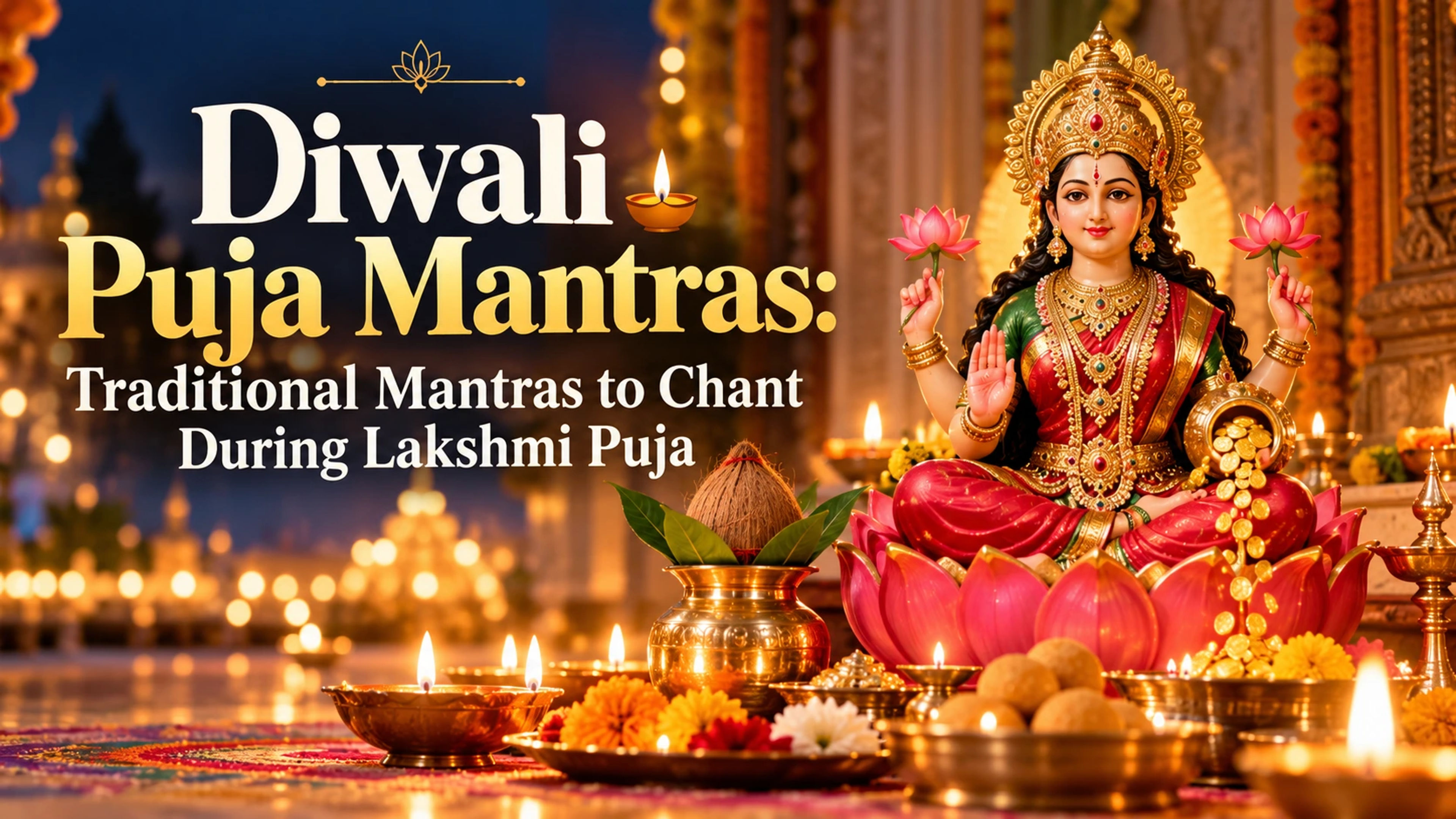
Diwali Puja Mantras: Traditional Mantras to Chant During Lakshmi Puja
Diwali is one of the most cherished and spiritually significant festivals in the Hindu calendar. As homes glow with the warm, welcoming light of earthen diyas, families gather in gratitude during the evening hours of Kartik Amavasya to offer special reverence to Goddess Lakshmi and Lord Ganesha. Central to this observance is the recitation of sacred mantras—devotional verses that help center the mind, cultivate inner purity, and express profound thankfulness for spiritual and material well-being.
However, with countless variations found across different regional customs, family lineages, and traditional texts, knowing which mantras to chant—and how to integrate them into an evening worship routine—can feel complex. This comprehensive guide explores traditionally established mantras associated with Diwali and Lakshmi Puja, their accurate meanings, contextual significance, and practical answers to common questions regarding japa, pronunciation, and repetition.
Table of contents
Key takeaways
- Diwali Puja traditionally bridges the worship of Lord Ganesha (for removing obstacles and bestowing wisdom) and Goddess Lakshmi (for grace, harmony, and prosperity).
- Chanting sacred mantras serves as an intentional focal point for gratitude, mindfulness, and devotion during evening rituals.
- Practices like repeating a mantra 108 times using a japa mala are deeply rooted in tradition, though sincerity and focus remain paramount over rigid numbers.
- Regional practices and family traditions vary widely across India; there is no single mandatory scriptural formula followed universally by every household.
Understanding Diwali and Lakshmi Puja Mantras
In Hindu tradition, mantras are far more than mechanical formulas or transactional requests. They are precise sonic vibrations designed to elevate human consciousness, evoke divine qualities, and harmonize the inner state of the devotee. During Diwali, chanting mantras during Lakshmi Puja creates an atmosphere of spiritual focus, allowing individuals to pause, reflect, and welcome light into both their homes and hearts.
It is vital to recognize that Hindu devotional practices are richly diverse. Depending on family traditions, regional sampradaya, or community backgrounds, the specific verses and procedures chanted during Diwali evening may vary. What remains universal across all traditions, however, is the spirit of cleanliness, inner reflection, humility, and the collective aspiration for righteousness (dharma) and well-being.
Why Ganesha and Lakshmi Are Worshipped Together
During Diwali Lakshmi Puja, households across India traditionally place idols or images of Lord Ganesha and Goddess Lakshmi side by side. While Goddess Lakshmi is revered as the embodiment of auspiciousness, beauty, grace, and prosperity in all its forms, Lord Ganesha is worshipped as Vighneshwara—the remover of obstacles and the custodian of supreme wisdom.
In traditional philosophical thought, material wealth and prosperity must always be balanced and governed by wisdom and ethical clarity. Without discernment, wealth can foster ego or lead to misdirection; without grace and inner richness, material success remains unfulfilling. Worshipping Lord Ganesha first ensures that any mental or external obstacles standing in the way of righteous living are cleared, preparing the clean vessel of the mind to receive the blessings of Goddess Lakshmi.
Key Mantras to Chant During Lakshmi Puja
Several mantras are traditionally associated with Goddess Lakshmi and Lord Ganesha during the Diwali season. Below are some of the most widely recognized, accessible, and authentic verses for home worship:
1. The Universal Lakshmi Beej Mantra
The seed (beej) mantra of Goddess Lakshmi is a powerful, condensed invocation centered around the sacred sound 'Shreem', which represents the vibrational energy of abundance, grace, and divine fruition.
ॐ श्रीं महालक्ष्म्यै नमः
Om Shreem Mahalakshmaye Namah
English Meaning: "Om. Salutations to the great Goddess Lakshmi, who embodies all auspiciousness, grace, and abundance."
Traditional Context: This mantra is frequently chanted during general daily worship, evening offerings, and formal Diwali Lakshmi Puja. It is concise, easy for beginners to learn, and suitable for individual or family chanting.
2. The Extended Mahalakshmi Mantra with Tri-Beeja
For those seeking a slightly more comprehensive invocation during deeper meditation or formal puja rituals, this verse combines three core seed syllables ('Shreem', 'Hreem', and 'Kleem').
ॐ श्रीं ह्रीं क्लीं महालक्ष्म्यै नमः
Om Shreem Hreem Kleem Mahalakshmaye Namah
English Meaning: "Om. Salutations to the great Goddess Mahalakshmi, invoking the energies of abundance (Shreem), divine preservation and purity (Hreem), and attractive magnetic grace (Kleem)."
Traditional Context: Often chanted when seekers desire a balanced focus on both inner spiritual wealth and stable outer well-being.
3. The Traditional Lakshmi Gayatri Mantra
Gayatri-style mantras are structured to invoke higher intellect, spiritual illumination, and divine guidance from a specific deity.
ॐ महालक्ष्म्यै च विद्महे विष्णुप्रियायै च धीमहि तन्नो लक्ष्मीः प्रचोदयात्
Om Mahalakshmyai cha vidmahe Vishnu-priyayai cha dhimahi tanno Lakshmih prachodayat
English Meaning: "Om. Let us meditate upon the great Goddess Lakshmi, the beloved consort of Lord Vishnu. May that Goddess Lakshmi inspire, illuminate, and direct our intellect toward higher understanding."
Traditional Context: Chanted during quiet moments of the puja or meditation, directing the mind beyond material acquisition toward divine wisdom and grace.
4. The Ganesha Invocation Mantra
Following established custom, devotees invoke Lord Ganesha before commencing the main worship of Goddess Lakshmi.
ॐ गं गणपतये नमः
Om Gam Ganapataye Namah
English Meaning: "Om. Salutations to Lord Ganesha, the leader of the divine host and remover of all obstacles."
Traditional Context: Recited at the very beginning of the Diwali ritual before lighting lamps, offering flowers, or chanting Lakshmi mantras.
Perspective on Prosperity and Devotion
In traditional Hindu thought, Goddess Lakshmi represents much more than financial currency or material coins. She embodies eight divine forms known as Ashtalakshmi, presiding over diverse dimensions of wealth: monetary resources, food grains, courage, progeny, victory, knowledge, patience, and spiritual liberation (moksha).
A Traditional View on Results
While devotional practices and mantra chanting are traditionally believed to cultivate inner peace, positive psychological focus, and disciplined living, Hindu teachings emphasize that spiritual practice is an expression of gratitude and surrender rather than a transactional guarantee of specific financial outcomes.
The Significance of 108 Repetitions and Japa
During Diwali japa, practitioners frequently encounter the recommendation to chant a chosen mantra 108 times. The number 108 holds deep traditional, mathematical, and astronomical significance in Vedic heritage. Utilizing a japa mala (rosary) consisting of 108 beads helps practitioners anchor their attention, maintain a steady rhythm, and prevent the mind from wandering during prayer.
However, there is no rigid rule dictating that every Diwali mantra must be chanted precisely 108 times. Sincerity of heart, attentive focus, and genuine devotion hold far more weight than rigid arithmetic. For individuals seeking to maintain a steady daily meditation practice or keep track of mantra counts throughout the festive season, digital tools such as the Divya Marg app can provide a supportive, distraction-free offline aid for counting repetitions.
Frequently Asked Questions
Which mantra should I chant during Diwali Lakshmi Puja?
The 'Om Shreem Mahalakshmaye Namah' beej mantra is the most widely accessible and traditionally chanted verse during Lakshmi Puja. It is customary to begin the worship by first chanting the Ganesha mantra 'Om Gam Ganapataye Namah'.
Can beginners chant Lakshmi mantras?
Yes. Lakshmi mantras and devotional prayers are open to everyone, regardless of prior experience or background. Approach the chanting with sincerity, respect, cleanliness, and a calm frame of mind.
Should a Diwali mantra be chanted 108 times?
Chanting 108 times using a japa mala is a cherished traditional practice that helps build meditative focus. However, if you have limited time or are participating in a group family puja, chanting a smaller fixed number of times or focusing entirely on devotional intent is completely acceptable.
Can I chant silently or without a mala?
Yes. Mantra chanting can be performed out loud (vaikhari), softly whispered (upamshu), or entirely within the mind (manasika). A mala is a wonderful traditional aid for physical counting, but it is never mandatory.
What should I do if I am unsure about Sanskrit pronunciation?
Do not stress over achieving flawless classical Sanskrit pronunciation on your first attempt. Devotion, humility, and earnest effort are considered far more important in spiritual practice than linguistic perfection.
Is a full elaborate Puja required to chant a Lakshmi mantra?
Not at all. While formal puja rituals add wonderful traditional structure to Diwali evening, you can also chant Lakshmi mantras quietly in meditation, during personal prayer, or while lighting an evening lamp in your home.

Begin your Naam Jaap today
Offline-first and built entirely around one purpose — helping you show up for your practice, every single day.
- Free, always
- Works offline
- No ads