Why Are Flowers Offered to God? Meaning, Symbolism & Sacred Traditions

Step into any Hindu temple or home mandir during morning prayers, and your senses are instantly greeted by the fragrant presence of fresh blossoms—radiant marigolds, pristine white jasmines, vibrant red hibiscus, or delicate lotus petals placed gently at the feet of the Divine. But why would something as ordinary and brief as a blossom hold such a central place in sacred worship? Offering flowers (PushpApan) is far more than a decorative gesture or a sweet-smelling ritual. In Sanatan Dharma, a flower is considered a complete metaphor for human life, spiritual surrender, and pure love. In this article, we explore the deep symbolism behind offering flowers during puja, the sacred plants associated with different deities, customary worship etiquette, and how a simple blossom can inspire a deeper daily devotional practice.
Table of contents
Key takeaways
- Offering flowers symbolizes pure devotion (PushpAnjali), humility, and the surrender of the human heart to the Divine.
- The transient beauty and sweet fragrance of a flower represent the impermanence of physical life and the purity of spiritual love (Bhakti).
- Specific deities are traditionally associated with particular sacred flora: Lotus for Goddess Lakshmi, Bilva leaves for Lord Shiva, Durva grass for Lord Ganesha, and Tulsi leaves for Lord Vishnu.
- In Hindu scriptural tradition, God values the sincerity and purity of the devotee's heart (Bhava) far above the material grandeur of the offering.
- When fresh flowers are unavailable, mental offerings (Manasa Puja) or sincere devotion through Naam Jaap carry equal spiritual merit.
The Heart of Pushpanjali: What Offering a Flower Symbolizes
In traditional Hindu worship (Shodashopachara Puja), sixteen distinct offerings or honors are presented to the Deity—ranging from offering a seat (Asana) and water for washing feet (Padya), to lighting lamps (Deepa) and offering food (Naivedya). Among these, the offering of blossoms (Pushpa) holds a deeply affectionate place.
A flower blossoms naturally without ego, gives its sweetness freely to anyone nearby, and surrenders its entire beauty at the feet of the Divine. When a devotee offers a flower during prayer, it carries several layer of spiritual meaning:
- Pure Unconditional Devotion (Bhakti): A flower does not demand anything in return. It represents an offering made out of pure joy and gratitude, asking for nothing but divine grace.
- Surrender of the Heart: Just as a flower opens its petals completely to the sun, offering a flower represents the opening of one's heart and mind to divine light, releasing inner stiffness, pride, and ego (Ahankara).
- The Fragrance of Sattwa: The natural sweetness of a fresh flower purifies the environment and creates a sattvic (peaceful, pure) atmosphere, helping calm the restless mind during meditation and prayer.
- A Lesson in Impermanence: A flower blooms in the morning, reaches full beauty, and naturally fades by evening. It quietly reminds us that physical beauty, youth, and worldly possessions are temporary, inspiring us to focus on the timeless Soul (Atman) within.
What Do the Scriptures Say About Flower Offerings?
A common misconception is that ritual worship requires expensive, exotic, or elaborate arrangements to please God. Hindu sacred texts consistently emphasize that the Divine cares for the inner feeling (Bhava) of the devotee rather than the monetary value of the offering.
In the Srimad Bhagavad Gita (Chapter 9, Verse 26), Lord Krishna highlights this timeless truth:
Patram Pushpam Phalam Toyam Yo Me Bhaktya Prayacchati | Tad Aham Bhakty-Upahritam Ashnami Prayatatmanah ||— Bhagavad Gita 9.26
Translation: 'Whoever offers Me with love and devotion a leaf, a flower, a fruit, or even water—that offering, made with a pure mind and loving heart, I accept with joy.'
Similarly, Vedic tradition speaks of the Asta Pushpa (eight inner flowers) of the heart—such as non-violence (Ahimsa), self-control (Indriya Nigraha), compassion (Daya), forgiveness (Kshama), and devotion (Bhakti). While external physical flowers are beautiful, scripture reminds us that cultivating these inner virtues is the highest flower offering one can make.
Sacred Flora Associated with Hindu Deities
Over centuries, specific flowers, sacred leaves, and grasses have become closely associated with particular deities based on scriptural stories, seasonal availability, and subtle symbolic qualities. While offering any clean, non-poisonous flower with devotion is accepted, traditional practices emphasize these sacred pairings:
| Deity | Sacred Flower / Leaf | Spiritual Significance & Symbolism |
|---|---|---|
| Lord Ganesha | Durva Grass (21 Blades) & Red Flowers (Marigold, Hibiscus) | Durva grass represents cool, soothing energy, humility, and renewal. Offering 21 blades of Durva is an ancient tradition cherished during Ganesha worship. |
| Lord Shiva | Bilva (Bael) Leaves, Dhatura, Crown Flower (Aak) | The three leaflets of the Bilva leaf represent the three eyes of Shiva, the three Gunas (Sattva, Rajas, Tamas), and the Holy Trinity (Brahma, Vishnu, Shiva). |
| Goddess Lakshmi | Lotus (Kamal) & Fragrant Pink/Red Roses | The Lotus grows in muddy water yet remains immaculate and untainted, symbolizing purity, spiritual detachment, and divine grace. |
| Lord Vishnu / Sri Krishna | Tulsi (Holy Basil) Leaves & Yellow Flowers (Champa, Marigold) | Tulsi is considered the most sacred plant in Vaishnavism. Puja for Lord Vishnu or Krishna is considered incomplete without sacred Tulsi leaves. |
| Goddess Durga / Kali / Devi | Red Hibiscus (Japapuspha) & Red Roses | The deep crimson color of red hibiscus represents active divine energy (Shakti), courage, and total devotion. |
A Note on Regional Variations
While these traditional associations are widely followed across India, worship customs vary by region, temple lineage, and seasonal availability. If a specific sacred flower is unavailable in your area, offering whatever clean, fragrant local blossom is available with a loving heart is entirely appropriate.
Traditional Rules and Etiquette for Offering Flowers
In traditional Hindu home worship and temple rituals (Agama Shastra), gentle guidelines help maintain purity and respect when handling flowers for the altar:
- Use Fresh, Unblemished Flowers: Flowers gathered for worship should ideally be freshly picked in the morning, clean, and free from insect damage or decay.
- Never Offer Smelled Flowers: It is customary not to smell flowers before offering them to the Deity, as smelling them takes away their first purity (Uchchishta).
- Do Not Offer Fallen Flowers: Flowers that have fallen naturally onto the dirty ground are traditionally not picked up for worship vessels.
- Clean Hands and Vessels: Collect flowers in a clean bowl or basket after washing your hands.
- Placement Etiquette: Flowers are gently placed at the feet of the deity, in their hands, or as a garland around the neck. They are usually not thrown or tossed forcefully.
Flowers Traditionally Avoided in Specific Worships
Customary traditions also note a few specific exceptions based on temple lore:
- Ketaki (Screw Pine) for Shiva: According to a puranic narrative in the Shiva Purana, the Ketaki flower is traditionally excluded from Lord Shiva's worship.
- Tulsi for Lord Ganesha: Tulsi leaves are generally avoided in Lord Ganesha's regular worship (except on Ganesh Chaturthi day during specific Vinayaka Chathurthi Patra Puja).
- Durva for Goddess Lakshmi: Durva grass is primarily reserved for Lord Ganesha rather than Goddess Lakshmi.
What Should You Do If Fresh Flowers Are Unavailable?
Living in modern cities, traveling, or busy work schedules can sometimes make sourcing fresh flowers difficult. Does that mean your prayer is incomplete?
Not at all. Hindu devotional philosophy provides beautiful alternatives when physical materials are absent:
- Akshata (Unbroken Rice Grains): In traditional rituals, when a specific flower or offering is missing, priests use unbroken rice grains mixed with a touch of turmeric or kumkum (Akshata) as a sacred substitute.
- Manasa Puja (Mental Offering): You can simply close your eyes and visualize offering a golden lotus or fresh garland at the feet of your Deity. Scripture holds that sincere mental offerings carry immense spiritual purity.
- Chanting and Naam Jaap: Offering your time, breath, and focus through vocal or silent mantra recitation is considered one of the highest forms of worship.
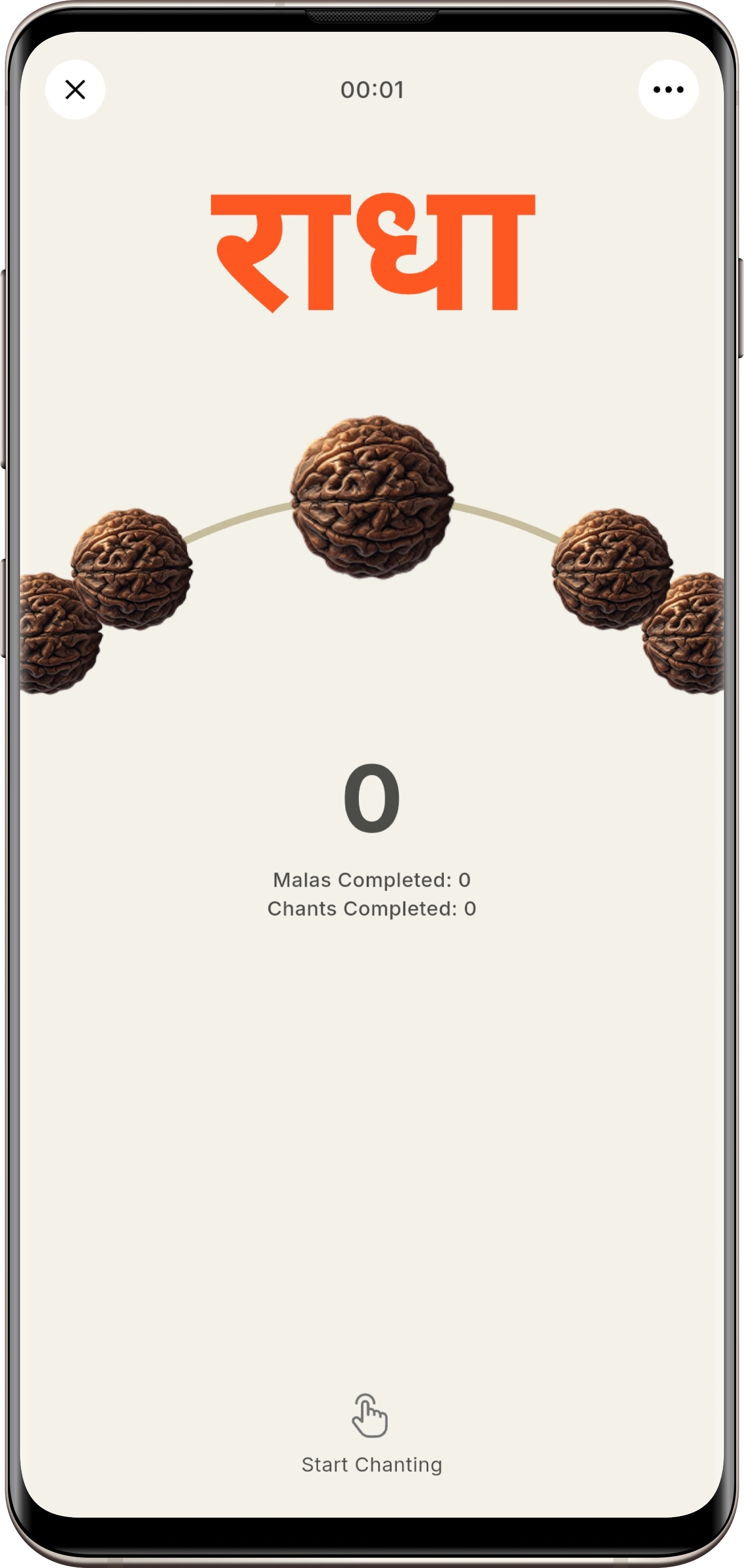
Pairing your daily worship with quiet repetition of the Divine Name—known as Naam Jaap—allows you to offer the 'flower of your attention' directly from the heart. To help maintain consistency in your devotional routine, the Divya Marg app offers a simple, peaceful digital counter to track your daily Naam Jaap rounds effortlessly wherever you are.
Frequently Asked Questions About Offering Flowers to God
Why do Hindus offer flowers to God during puja?
Hindus offer flowers as a symbol of pure devotion (Bhakti), humility, gratitude, and surrender. The flower's fleeting beauty and fragrance represent the purity of the human heart and the selfless surrender of one's ego to the Divine.
Which flower is considered most sacred in Hinduism?
The Lotus (Kamal) is widely regarded as the most sacred flower. Growing out of muddy waters while remaining completely unblemished, it symbolizes spiritual purity, divine consciousness, and detachment.
Which flowers are offered to Lord Shiva?
Lord Shiva is traditionally offered Bilva (Bael) leaves, Dhatura flowers, and Crown flowers (Aak/Mudar). Simple offerings made with sincere devotion are deeply revered in Shaiva traditions.
Why is Durva grass offered to Lord Ganesha?
Durva grass is known for its cooling, resilient, and purifying properties. According to puranic tradition, offering 21 blades of Durva grass brings peace, removes spiritual obstacles, and pleases Lord Ganesha.
Can we offer flowers bought from the market?
Yes, fresh flowers bought from the market can be offered. Simply ensure they are clean, unblemished, sprinkled with a little fresh water, and handled with devotion before placing them at the altar.
What should be done with offered flowers (Nirmalya) after puja?
Old flowers removed from the altar (called Nirmalya) should be treated respectfully. They can be composted back into garden soil, placed near the root of a sacred plant like Tulsi, or immersed in natural water bodies rather than thrown into regular household garbage.
Begin your Naam Jaap today
Offline-first and built entirely around one purpose — helping you show up for your practice, every single day.
- Free, always
- Works offline
- No ads